What to check before booking a super yacht rental in Dubai
Size and guest capacity
The first thing to assess is whether the vessel fits your group. Super yachts vary considerably in length and interior volume, so a boat that looks large from the outside may have limited deck space once you account for cabins, crew quarters and service areas. Check the official guest capacity, not just the number of berths. Some yachts are licensed for a certain number of passengers for safety and insurance reasons, and exceeding that limit can cut the trip short or lead to fines. Also consider how many people you actually want on board. A yacht that holds 30 might feel cramped with 25 if the social areas are small, while a 50-guest vessel could feel empty with only a dozen. Think about the ratio of indoor to outdoor space, especially if you plan to spend most of the day on the sun deck or around the jacuzzi.
Crew and service standards
A super yacht is only as good as the people running it. Ask about the crew-to-guest ratio and the qualifications of the captain and engineering staff. A well-staffed yacht will have a dedicated chef, deckhands, stewards and sometimes a purser. The quality of service matters a great deal on a multi-day charter, where meals, cleaning and itinerary management all fall on the crew. Find out whether the crew speaks your language, or at least has enough English to communicate clearly. If you plan to use water toys, a tender or a jetski, confirm that a crew member is trained to operate and supervise them. A professional crew can turn a good yacht into a great experience; a stretched or inexperienced crew can make even a beautiful vessel feel disorganised.
Stabilisers and sea conditions
Dubai's waters are generally calm, but the Arabian Gulf can produce short, choppy seas, especially in winter or during a shamal wind. A yacht without stabilisers will roll noticeably in these conditions, which can ruin a meal or make guests seasick. Modern super yachts typically have either fin stabilisers or gyroscopic stabilisers. Fins work well at cruising speed but lose effectiveness when the yacht is stationary or drifting. Gyros work at anchor but draw power and can be noisy. Ask which system the yacht has and whether it will be active during your planned itinerary. If you are prone to motion sickness, a larger vessel with good stabilisation is a safer bet. Also check whether the yacht has a zero-speed stabilisation mode if you intend to spend long periods at anchor.

Layout and amenities
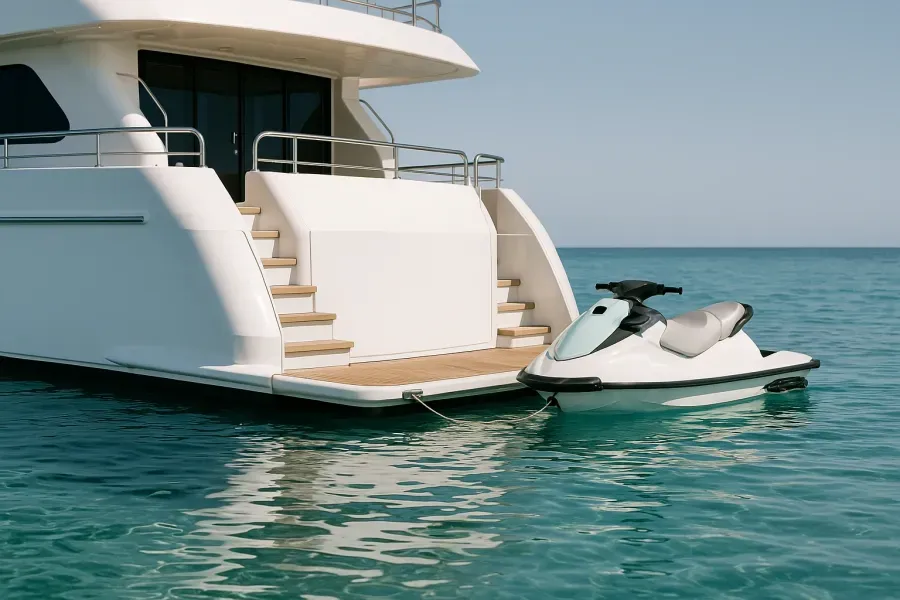
Walk through the deck plan before you book. The master suite should offer privacy and a comfortable bed, but also check the size of the bathrooms and the number of guest cabins. A yacht with five cabins may still have only two with en-suite facilities, which can create queues in the morning. Look at the main salon and dining area. Some yachts have a formal dining table indoors and a more casual setup on the aft deck; others expect all meals to be served in one space. If you plan to entertain, a separate bar or lounge area helps. The sundeck often holds the jacuzzi, sun loungers and a secondary helm station. Make sure there is enough shade, either from a bimini or from the overhang of the upper deck. On a Dubai summer day, direct sun for hours is exhausting. Also check the location of the tender. If the tender is stored on the swim platform, boarding it is easy. If it is kept on the foredeck, you may need to climb ladders or cross the main deck to reach the water.
Helipad and helicopter access
Some super yachts come with a certified helipad. If you are arriving by helicopter or planning to use one for day trips, verify that the pad is rated for your helicopter type and that the yacht carries the necessary fire-fighting and refuelling equipment. A helipad also occupies deck space, so consider whether you would rather use that area for lounging or dining. If you do not plan to use a helicopter, a yacht with a helipad may still be a good choice because the pad can double as an event space for parties or sunbathing. However, the pad's surface is usually textured and may not be comfortable for bare feet. Check whether the yacht provides cushions or mats for the area. The presence of a helipad can also affect the yacht's gross tonnage and thus its berthing options; some marinas restrict where a helicopter-equipped yacht can dock.
Technical specifications and range
Gross tonnage is a measure of internal volume, not just length. Two yachts of the same length can have very different interior space. A higher gross tonnage usually means more room for cabins, storage and amenities, but it can also mean higher fuel consumption and deeper draft. Draft matters in Dubai because some anchorages and marinas have shallow approaches. A yacht with a draft of three metres may not be able to enter certain lagoons or get close to the beach. Fuel range is another factor. If you plan to cruise to Fujairah or up the coast to Ras Al Khaimah, the yacht needs enough fuel capacity for the round trip without refuelling. Most super yachts have a range of several hundred nautical miles, but high-speed cruising burns fuel much faster. Ask the charter broker for the yacht's fuel consumption at different speeds and plan your itinerary accordingly. A slow cruise saves fuel and gives a quieter ride; a fast transit gets you to your destination sooner but costs more and uses more engine hours.
Charter broker and contract
A good charter broker can make the difference between a smooth booking and a stressful one. The broker should have direct experience with the yacht and its crew, and should be able to provide recent references. Ask about the broker's relationship with the yacht owner: a direct management charter is often more flexible on itinerary and cancellation terms than a charter through a third-party management company. The contract should clearly state the itinerary, the cruising area, the duration, the payment schedule and the cancellation policy. It should also specify what happens if the yacht has a mechanical breakdown. Some contracts offer a replacement yacht of similar standard; others only refund unused days. Read the terms on fuel, port fees and provisioning. Some charters are all-inclusive, while others charge these costs on top. For a super yacht rental Dubai, a reputable broker will also advise on local regulations, such as the requirement for a cruising permit if you cross into Omani waters. For a reliable booking experience, many renters turn to dubaiyachtsrental.net for assistance in finding the right vessel and understanding the paperwork.
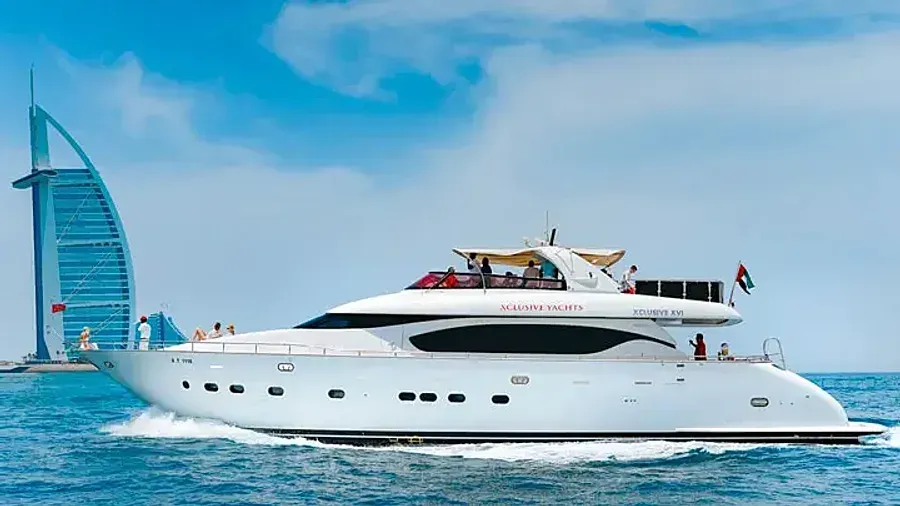
Finally, inspect the yacht in person or via a video walkthrough if you cannot visit. Photographs can hide wear and tear, outdated electronics, or poor maintenance. Look for signs of rust, worn upholstery or dirty bilges. A well-maintained yacht tells you the owner and crew take pride in their work. If you are booking through a management company, ask for the yacht's last dry-dock date and its current survey certificate. A recent survey is a good indicator that the hull, engines and safety equipment are in order. Trust your instincts: if the yacht feels neglected during the viewing, it will not improve once you are at sea. With these checks done, you can book your super yacht rental in Dubai with confidence, knowing that the vessel, crew and contract match your expectations.